
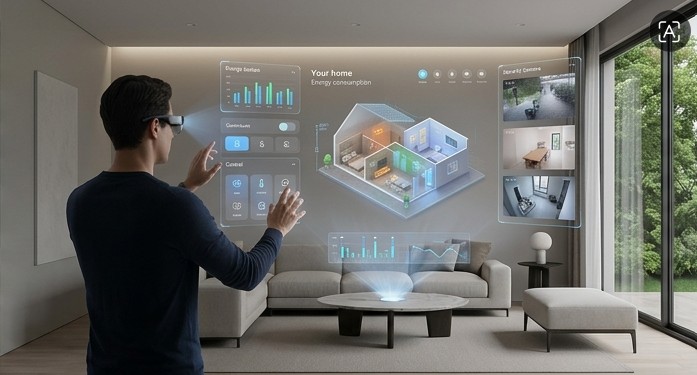
Future of Smart Homes: Technology is transforming the way we live, and smart homes powered by the Internet of Things (IoT) are leading this revolution. From voice-controlled assistants to intelligent security systems, smart devices are making homes more convenient, efficient, and secure. As innovation continues to evolve, the future of smart homes looks more connected than ever before.
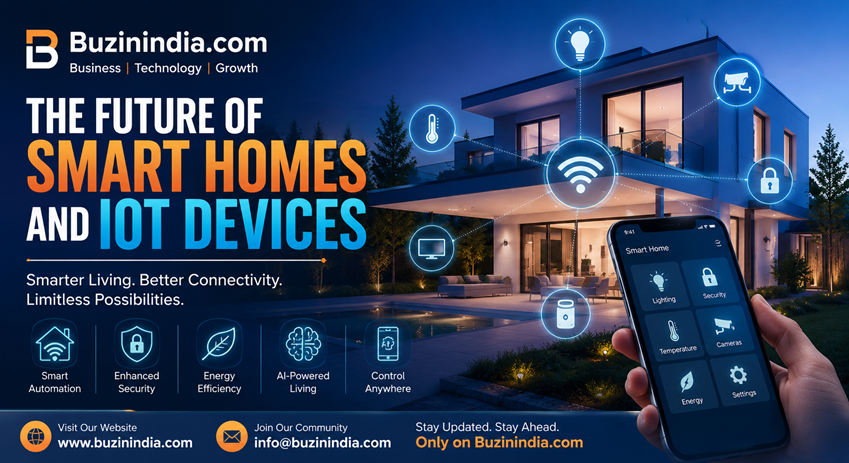
Table of Contents
What Are Smart Homes and IoT Devices?
A smart home is a residence equipped with internet-connected devices that can communicate, automate tasks, and be controlled remotely through smartphones or voice commands. IoT devices include smart lights, thermostats, security cameras, door locks, appliances, and wearable gadgets that collect and share data in real time.
Key Trends for the Future of Smart Homes
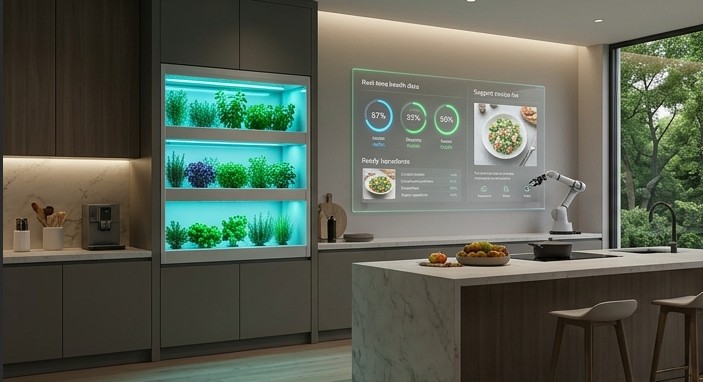
1. Artificial Intelligence Integration
Future smart homes will use advanced Artificial Intelligence (AI) to understand user behavior and preferences. Devices will automatically adjust lighting, temperature, and entertainment settings based on daily routines, creating a highly personalized living experience.
2. Enhanced Home Security
Smart security systems are becoming more sophisticated with facial recognition, motion detection, and real-time alerts. Homeowners will be able to monitor their properties from anywhere, reducing security concerns and improving peace of mind.
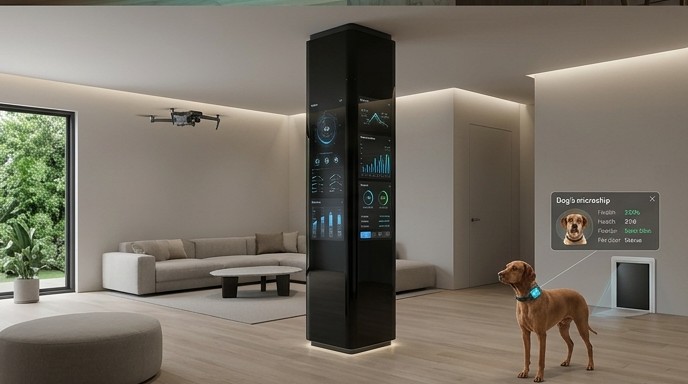
3. Energy Efficiency and Sustainability
Smart thermostats, energy-monitoring systems, and automated appliances help reduce electricity consumption. As environmental awareness grows, IoT technology will play a crucial role in creating eco-friendly and energy-efficient homes.
4. Seamless Device Connectivity
The future will bring better interoperability among devices from different brands. Homeowners will enjoy a unified ecosystem where lights, appliances, entertainment systems, and security devices work together seamlessly.
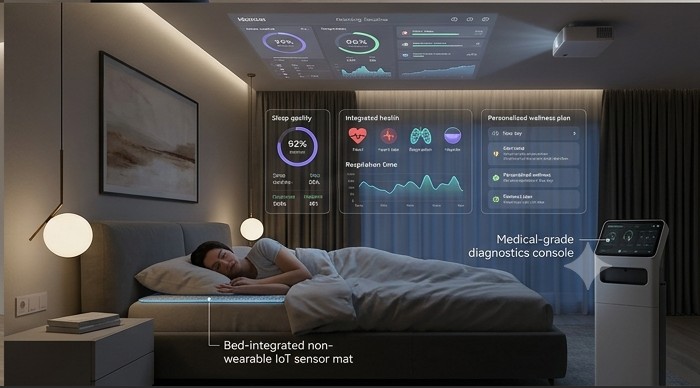
5. Smart Healthcare at Home
IoT-enabled health monitoring devices can track vital signs, medication schedules, and fitness activities. These innovations will support remote healthcare, benefiting elderly individuals and patients requiring continuous monitoring.
Benefits of Smart Homes
- Improved convenience through automation.
- Enhanced safety and security.
- Reduced energy costs and environmental impact.
- Better health monitoring and wellness management.
- Increased property value and modern lifestyle appeal.
Challenges for Future of Smart Homes
Despite their advantages, smart homes face challenges such as cybersecurity risks, data privacy concerns, and initial setup costs. Manufacturers and technology providers must focus on stronger security measures to ensure user trust and protection.
Conclusion
The future of smart homes and IoT devices promises a more connected, efficient, and intelligent lifestyle. As AI, automation, and connectivity continue to advance, smart homes will become an essential part of everyday living. Homeowners who embrace these innovations can enjoy greater comfort, security, and sustainability while preparing for the next generation of digital living.