
Calcium rich foods are essential for maintaining strong bones, healthy teeth, proper muscle function, and nerve health. Calcium also supports normal blood clotting and heart function. Including natural sources of calcium in your daily diet can help prevent deficiencies and support long-term bone health.

Table of Contents
Why Is Calcium Important for Body?
Calcium plays several important roles:
- 🦴 Strengthens bones and teeth.
- 💪 Supports healthy muscle movement.
- ❤️ Helps maintain normal heart function.
- 🧠 Supports nerve communication.
- 🛡️ Reduces the risk of osteoporosis when consumed adequately alongside other bone-supporting nutrients.

12 Best Calcium Rich Foods
1. Milk: Milk is an excellent calcium source. One cup (240 ml) provides approximately 300 mg of calcium, supporting bone strength.
2. Yogurt (Curd): Plain yogurt provides calcium, protein, and beneficial live cultures when present.
3. Paneer: Paneer provides calcium and protein, although its calcium content varies depending on preparation.

4. Cheese: Cheese is calcium-rich, especially hard varieties such as Parmesan. Consume moderate portions due to sodium and saturated fat.
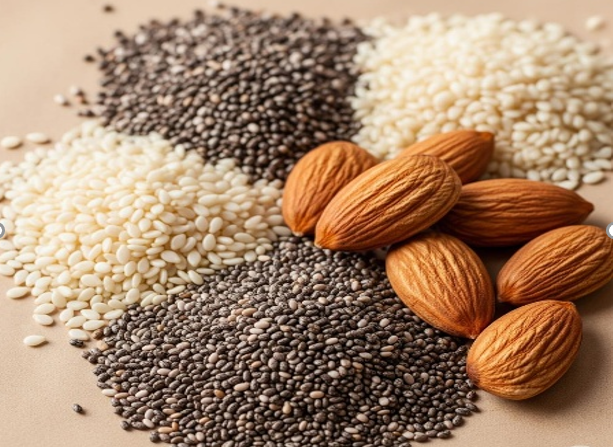
5. Almonds: Almonds offer calcium, healthy fats, and magnesium.
6. Sesame Seeds (Til): Sesame seeds contain calcium and can be added to chutneys, laddoos, and salads.
7. Chia Seeds: Chia seeds provide calcium, fiber, and plant-based omega-3 fats.
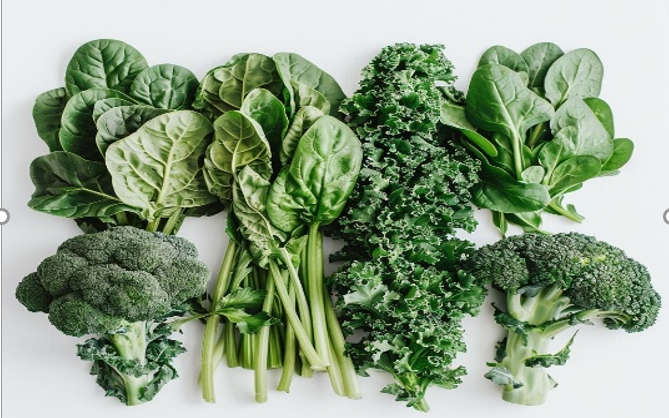
8. Leafy Green Vegetables: Kale, bok choy, and certain leafy greens provide calcium. Spinach contains calcium, but its absorption is limited by oxalates.
9. Broccoli: Broccoli offers absorbable calcium, vitamin C, and fiber.
10. Ragi (Finger Millet): Ragi is a calcium-rich traditional Indian grain suitable for porridge, dosa, and roti.
11. Tofu: Calcium-set tofu can provide substantial calcium, making it ideal for vegan diets.
12. Sardines: Sardines with edible bones are rich in calcium, protein, and vitamin D.
How Much Calcium Do You Need Daily?
| Age group | Daily calcium requirement |
| Children (4–8 years) | 1,000 mg |
| Teenagers (9–18 years) | 1,300 mg |
| Adults (19–50 years) | 1,000 mg |
| Women (51+ years) | 1,200 mg |
| Men (71+ years) | 1,200 mg |
Approximate recommended daily allowances based on U.S. NIH guidance. Individual needs and Indian dietary recommendations may differ.
Tips to Improve Calcium Absorption
- Get adequate vitamin D through diet, safe sunlight exposure, or supplements when advised.
- Spread calcium-rich foods throughout the day.
- Include regular weight-bearing exercise.
- Avoid excessive alcohol and smoking.
Conclusion
Adding calcium-rich foods such as milk, curd, ragi, almonds, sesame seeds, and leafy vegetables to your diet supports stronger bones and overall wellness. A balanced diet with sufficient vitamin D is essential for maintaining healthy calcium levels.