
High Protein Vegetarian Foods: Protein is essential for muscle growth, tissue repair, healthy bones, and overall energy. While many people associate protein with meat and eggs, high-protein vegetarian foods can provide plenty of protein when included in a balanced diet.
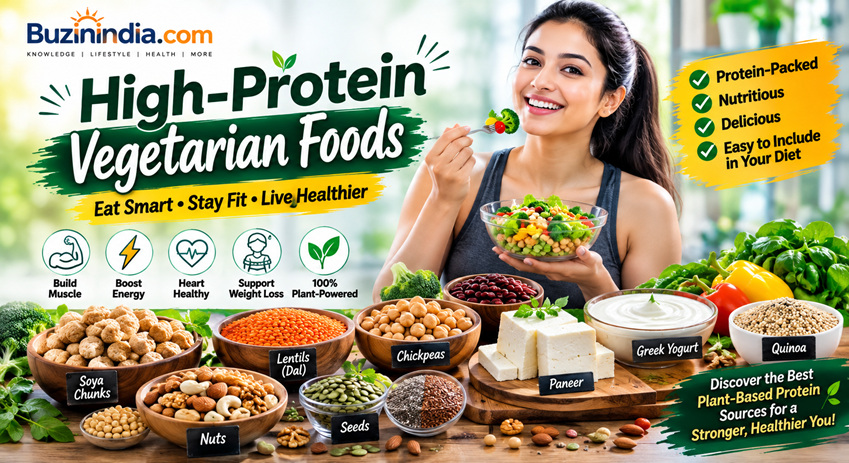
Table of Contents
7 Best High Protein Vegetarian Foods
1. Soybeans and Tofu: Soybeans are among the richest plant-based protein sources. Tofu, tempeh, and soy chunks are versatile options that can be added to curries, stir-fries, salads, and sandwiches.
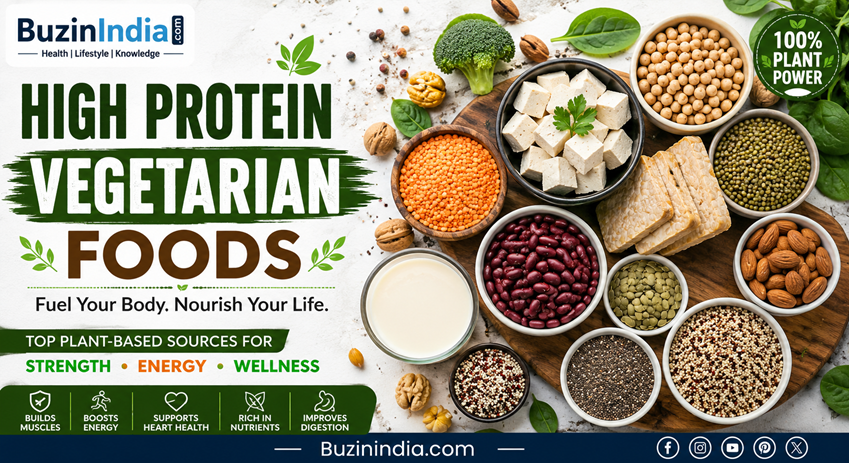
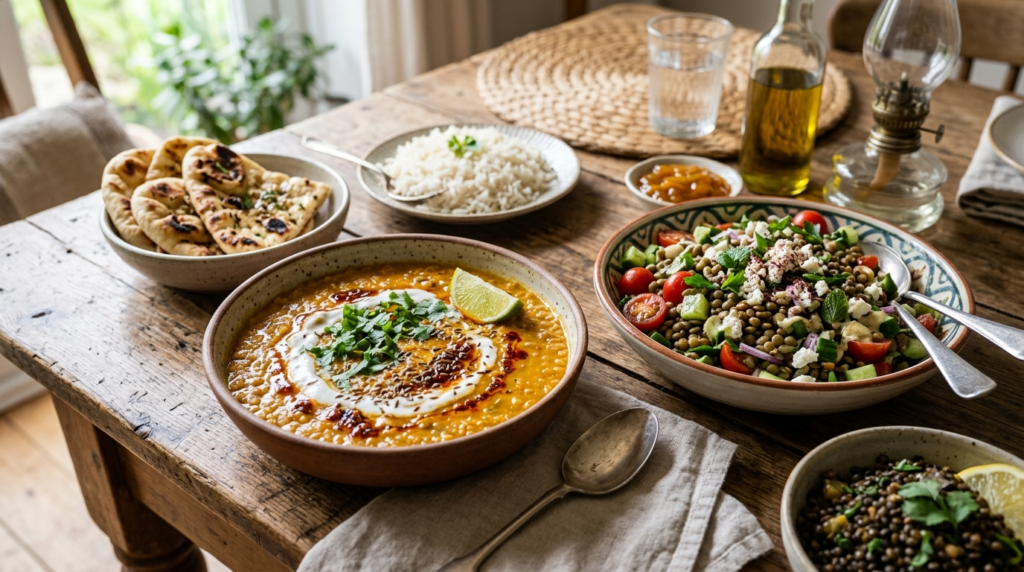
2. Lentils and Dal: Indian dals such as moong dal, masoor dal, toor dal, and chana dal are affordable sources of protein and fiber. Including dal regularly can support muscle health and digestive wellness.
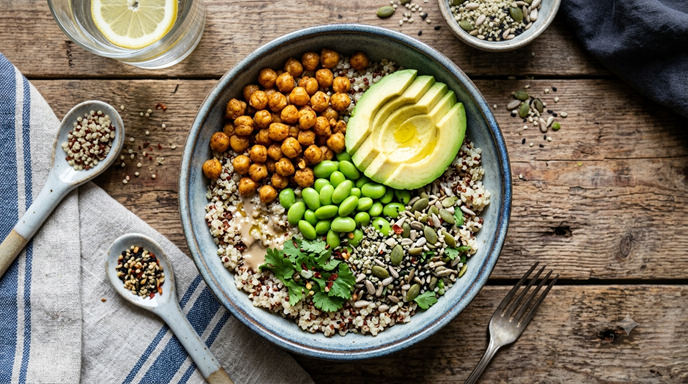
3. Chickpeas and Beans: Chickpeas, kidney beans, black beans, and other legumes provide a combination of protein, fiber, vitamins, and minerals. They are excellent additions to salads, soups, curries, and wraps.
4. Paneer and Greek Yogurt: For lacto-vegetarians, paneer, milk, curd, and Greek yogurt can significantly increase daily protein intake. Greek yogurt is particularly useful for breakfast or as a healthy snack.
5. Peanuts and Nuts: Peanuts, almonds, pistachios, and cashews provide protein along with healthy fats. Because they are calorie-dense, moderate portions are ideal.
6. Seeds: Pumpkin seeds, chia seeds, hemp seeds, sunflower seeds, and flaxseeds can add protein and beneficial nutrients to smoothies, oatmeal, yogurt, and salads.
7. Quinoa: Quinoa is a nutritious grain-like food containing protein and fiber. It can replace rice in salads, bowls, and main meals.
Increase Protein in Vegetarian Diet
Try combining different protein sources throughout the day. For example, start with Greek yogurt and seeds at breakfast, have dal and rice or roti at lunch, enjoy roasted chickpeas as a snack, and include paneer or tofu at dinner.

Final Thoughts
A well-planned vegetarian diet can provide adequate protein without meat. Including dal, legumes, soy products, dairy, nuts, seeds, and quinoa regularly can help create a nutritious and protein-rich eating pattern.
Tip: Protein requirements vary depending on age, body size, activity level, and health goals. For specific dietary needs, consult a qualified nutrition professional.