
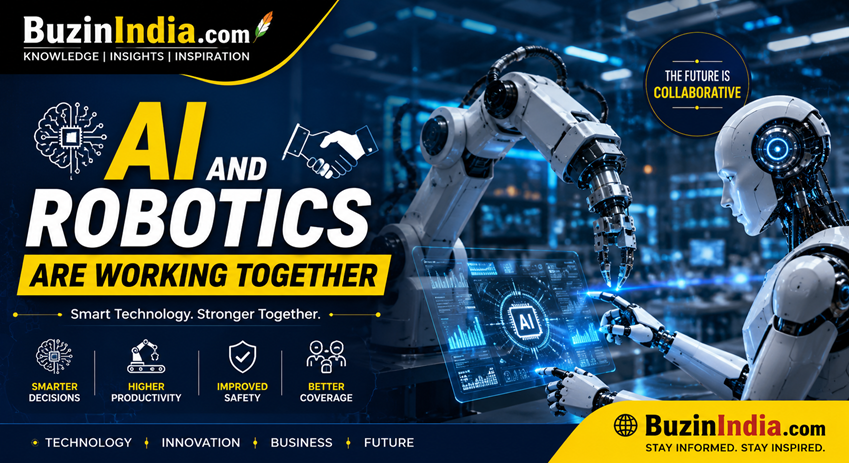
AI and Robotics: Artificial Intelligence (AI) and robotics are no longer separate technologies. Today, they are working together to revolutionize industries, improve productivity, and simplify everyday life. From smart factories to healthcare and autonomous vehicles, the combination of AI and robotics is shaping the future like never before.
Amazon Basics 13mm Extra Thick NBR Yoga and Exercise Mat with Carrying Strap, Blue
Table of Contents
Connection Between AI and Robotics
Artificial Intelligence enables machines to think, learn, and make decisions based on data. Robotics focuses on designing and building machines that perform physical tasks. When AI is integrated into robots, they become intelligent enough to analyze their surroundings, adapt to changing conditions, and complete complex tasks with minimal human intervention.
4 Key Benefits of AI-Powered Robotics
1. Increased Productivity: AI-driven robots can work around the clock with consistent accuracy, helping businesses improve efficiency while reducing operational costs.
2. Better Decision-Making: Using machine learning and real-time data analysis, intelligent robots can identify patterns, predict outcomes, and make informed decisions faster than traditional automated systems.
3. Improved Workplace Safety: Robots can perform dangerous tasks such as handling hazardous materials, mining, and disaster response, minimizing risks for human workers.
4. Enhanced Customer Experience: AI-powered service robots are being used in hotels, hospitals, airports, and retail stores to provide personalized assistance and faster customer support.
Real-World Applications
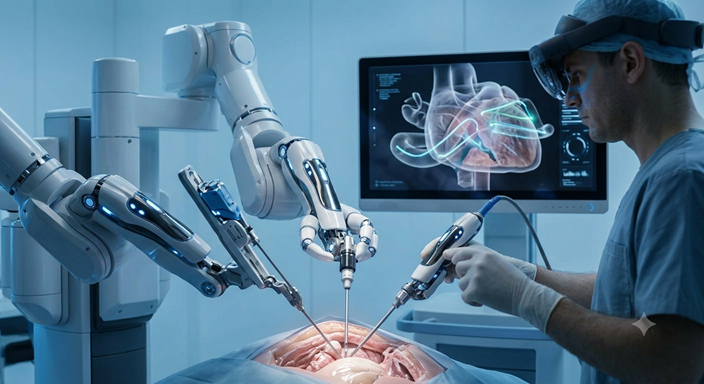
- Healthcare: Robotic surgical systems assist doctors with precise and minimally invasive procedures.
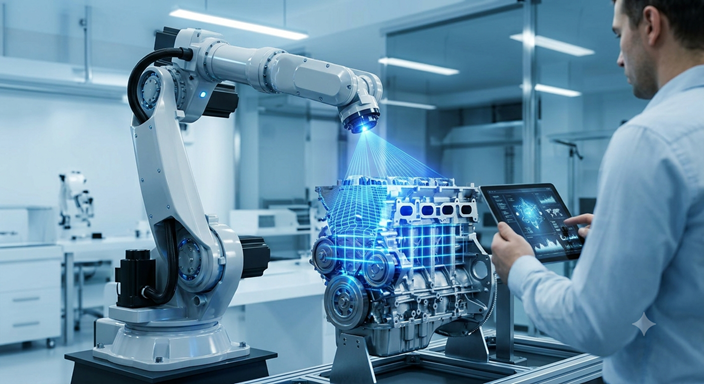
- Manufacturing: Smart robots automate assembly lines, quality inspections, and warehouse management.
- Agriculture: AI-enabled robots monitor crops, detect diseases, and optimize harvesting.
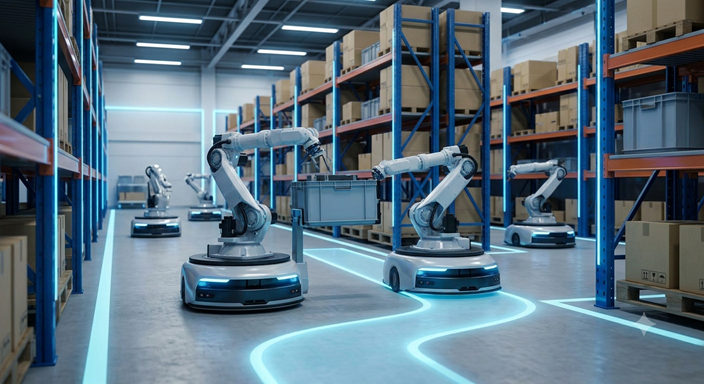
- Logistics: Autonomous robots sort packages and streamline warehouse operations.
- Home Automation: Robotic vacuum cleaners and smart assistants make household tasks easier.
Challenges to Overcome
Despite their advantages, AI-powered robotics faces several challenges, including high development costs, cybersecurity risks, ethical concerns, and workforce displacement. Governments, businesses, and researchers must work together to establish responsible AI policies while creating opportunities for workforce reskilling.
The Future of AI and Robotics
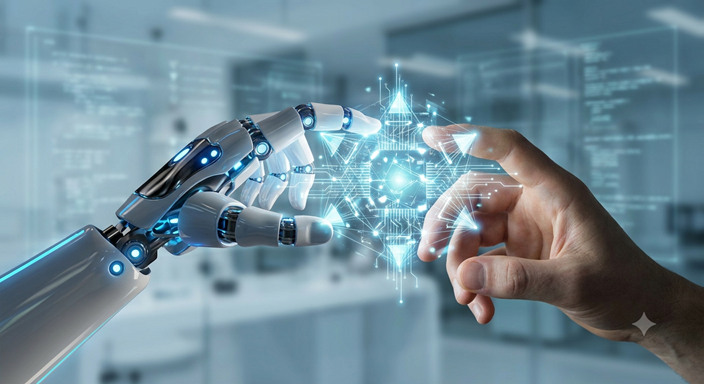
The future looks incredibly promising. Advancements in generative AI, computer vision, edge computing, and 5G connectivity will make robots more intelligent, collaborative, and efficient. Human-robot collaboration is expected to become common across healthcare, education, manufacturing, agriculture, and even space exploration.
Rather than replacing humans entirely, AI-powered robots will increasingly handle repetitive and hazardous tasks, allowing people to focus on creativity, innovation, and strategic decision-making.
Conclusion
The collaboration between AI and robotics is driving a new era of technological advancement. As these technologies continue to evolve, they will transform industries, create smarter workplaces, and improve the quality of life worldwide. Businesses that embrace AI-powered robotics today will be better prepared for the opportunities and challenges of tomorrow.