
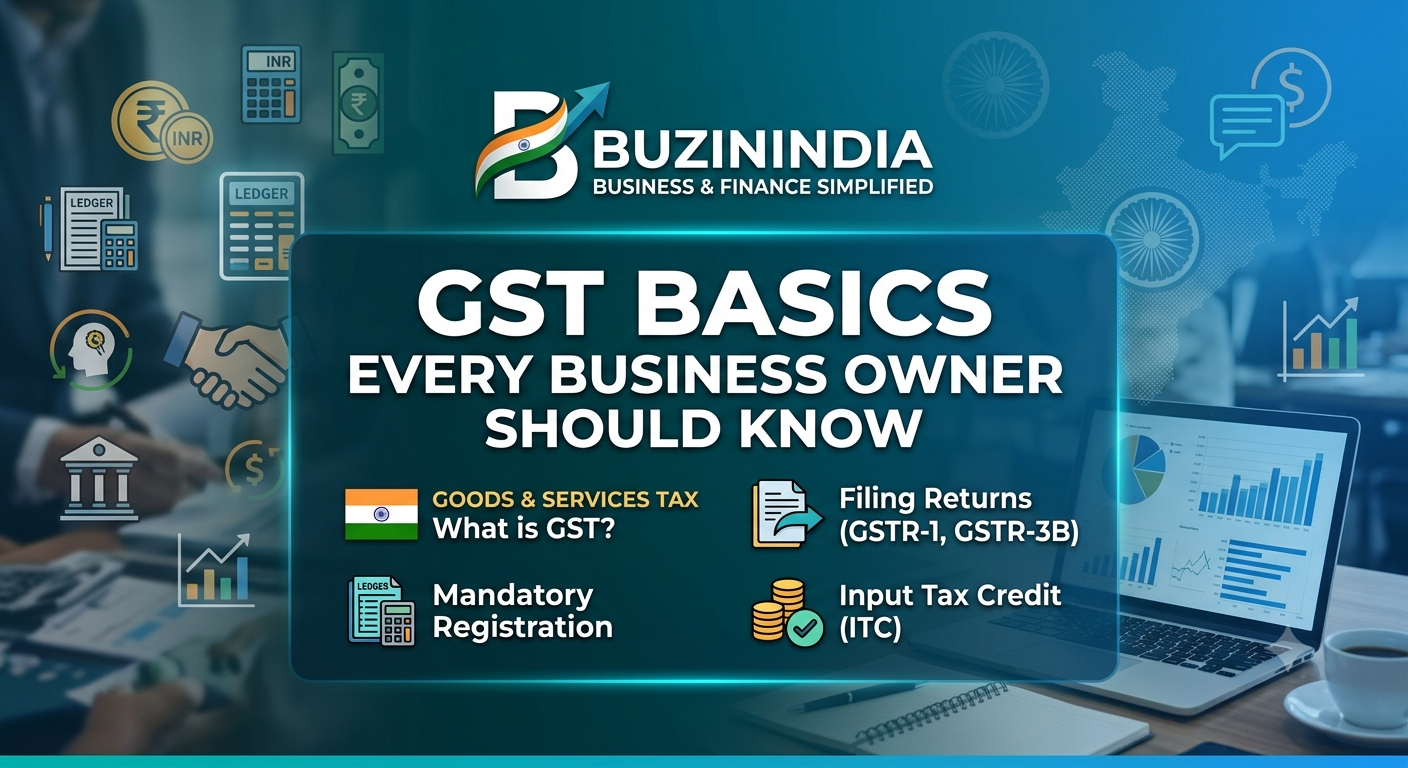
GST Basics: GST (Goods and Services Tax) is one of India’s most important indirect taxes. Whether you run a small shop, online business, service company, manufacturing unit, or e-commerce store, understanding the basics of GST can help you maintain compliance, avoid penalties, and manage your finances more effectively.
Table of Contents
What Is GST?
GST is a destination-based indirect tax charged on the supply of goods and services. It replaced several earlier indirect taxes, including VAT, service tax and excise duty, creating a more unified taxation system across India. GST is generally collected from customers by registered businesses and then paid to the government after adjusting eligible input tax credit.
Types of GST in India
There are mainly three components:
- CGST (Central GST): Collected by the Central Government on eligible intra-state supplies.
- SGST (State GST): Collected by the State Government on eligible intra-state supplies.
- IGST (Integrated GST): Applicable mainly to inter-state supplies and imports.
For example, a sale within the same state may involve CGST and SGST, while a sale from one state to another generally involves IGST.
Who Needs GST Registration?
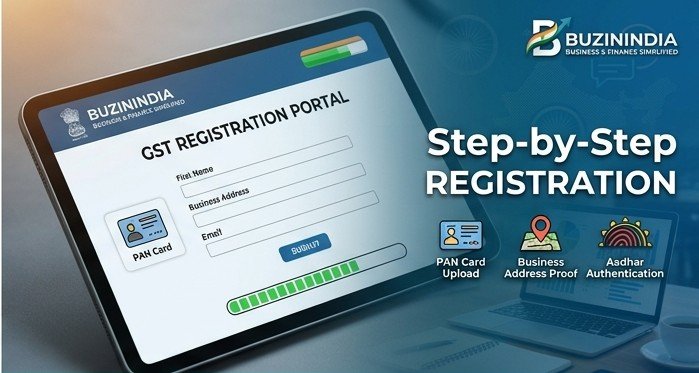
GST registration requirements depend on factors such as annual turnover, type of business, location and nature of supplies. Certain businesses may need registration even when their turnover is below the normal threshold. Businesses involved in e-commerce, inter-state supplies and specific notified activities should carefully check the applicable rules before starting operations.
Understanding GST Basics Rates
GST rates vary according to the product or service category. Common slabs have included 0%, 5%, 12%, 18% and 28%, although rates and classifications can change following government decisions. Business owners should always verify the current applicable HSN or SAC classification and GST rate before invoicing customers.
What Is Input Tax Credit?
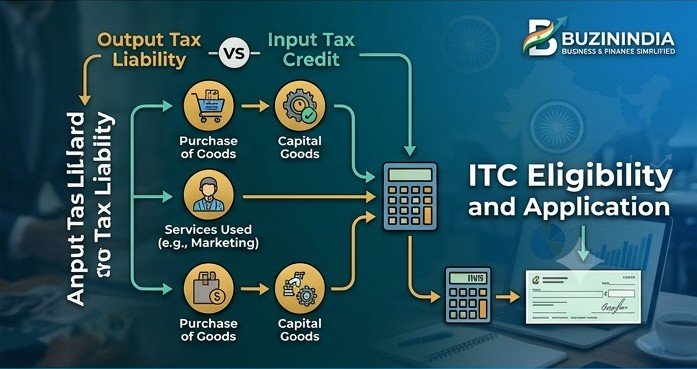
Input Tax Credit (ITC) allows eligible businesses to reduce their output GST liability by claiming credit for GST paid on qualifying business purchases. Maintaining proper tax invoices, matching purchase records and fulfilling applicable GST conditions are essential for claiming ITC correctly.
GST Invoices and Records
A registered business should issue GST-compliant invoices containing relevant details such as:
- GSTIN of the supplier
- Invoice number and date
- Customer details, where applicable
- HSN/SAC information
- Taxable value
- Applicable GST rate and tax amount
Accurate bookkeeping and organized records make GST compliance significantly easier.
GST Returns and Compliance
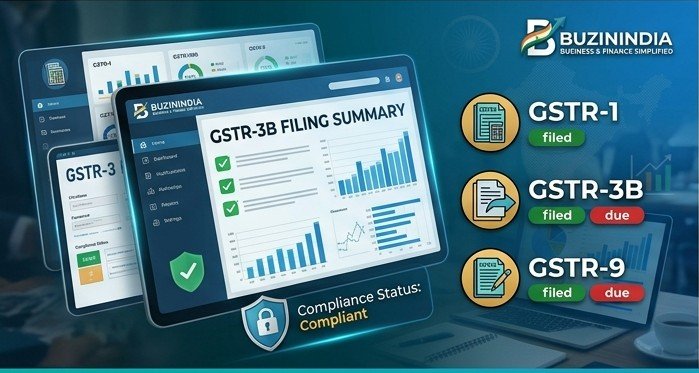
GST-registered businesses may have to file applicable returns and pay tax within prescribed deadlines. The exact return requirements depend on the taxpayer’s registration type and circumstances.
Missing deadlines or reporting incorrect information can result in interest, late fees or other consequences.
Final Thoughts
Understanding GST basics for business owners is essential for running a compliant and financially organized business in India. From registration and invoicing to input tax credit and returns, proper GST management can reduce errors and improve cash-flow planning.
Disclaimer: GST rules, thresholds, rates and compliance requirements can change. Always verify the latest requirements on the official GST portal or consult a qualified tax professional before making business decisions.