
Tax Saving Tips: Paying taxes is a legal responsibility, but smart tax planning can help you save more of your hard-earned money. By understanding available deductions, exemptions, and investment opportunities, you can reduce your tax burden while building long-term financial security. Here are some practical tax saving tips to help you maximize your savings.

Table of Contents
7 Tax Saving Tips to Reduce Income Tax
1. Choose the Right Tax Regime
Before filing your income tax return, compare the old and new tax regimes. The old regime offers various deductions and exemptions, while the new regime provides lower tax rates with fewer deductions. Select the option that best suits your income and financial goals.
2. Invest in Tax-Saving Instruments
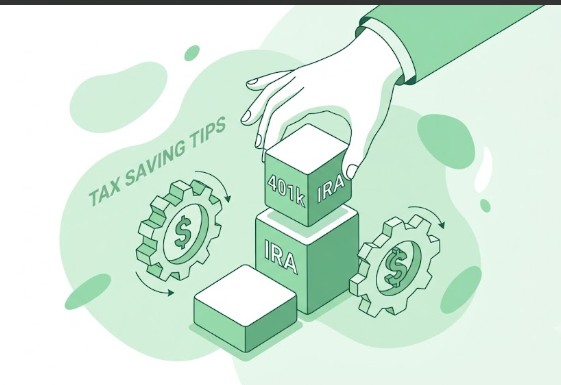
Investing in eligible tax-saving options can significantly reduce taxable income. Popular choices include:
- Public Provident Fund (PPF)
- Employee Provident Fund (EPF)
- Equity Linked Savings Scheme (ELSS)
- National Pension System (NPS)
- Tax-saving Fixed Deposits
These investments not only help save taxes but also encourage disciplined wealth creation.
3. Claim Available Deductions
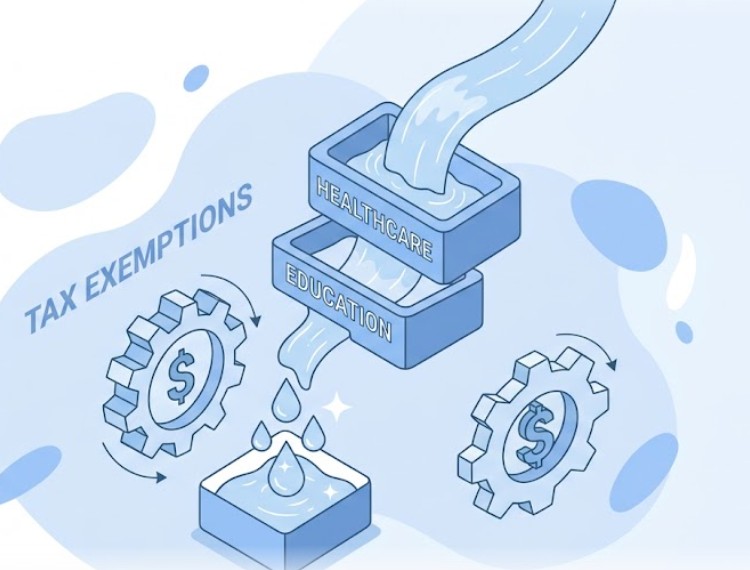
Make full use of deductions available under applicable tax laws. Common deductions include:
- Life and health insurance premiums
- Home loan principal and interest payments
- Education loan interest
- Charitable donations to eligible organizations
- Contributions to retirement savings schemes
Keep all supporting documents for smooth tax filing.
4. Maximize House Rent and Home Loan Benefits
If you live in a rented house, you may be eligible to claim House Rent Allowance (HRA), subject to applicable conditions. Homeowners can also benefit from deductions on home loan repayment and interest, making home ownership financially rewarding.
5. Utilize Employer Benefits
Many employers provide tax-efficient salary components such as meal coupons, telephone reimbursements, leave travel allowances, and retirement contributions. Structuring your salary wisely can help lower taxable income.
6. Start Tax Planning Early
Avoid waiting until the end of the financial year. Early tax planning gives you enough time to invest wisely, avoid rushed decisions, and maintain better cash flow throughout the year.

7. Maintain Accurate Financial Records
Keep records of investment proofs, salary slips, bank statements, insurance receipts, and donation certificates. Proper documentation simplifies tax filing and reduces the chances of errors or notices.
Tax Saving Tips: Secret of savings
These are highly valuable because they reduce your final tax bill dollar-for-dollar, rather than just lowering your taxable income base. Tax Credits are frequently available for childcare, higher education expenses, or installing renewable energy systems.
The key to successful tax planning is timing. Waiting until the end of the financial year often leads to rushed, inefficient choices. Instead, integrate tax-saving investments into your regular budget. This allows you to compound your wealth over time while systematically reducing what you owe to the government.

Conclusion
Effective tax planning is about making informed financial decisions throughout the year, not just during tax season. By selecting the appropriate tax regime, investing strategically, claiming eligible deductions, and maintaining proper records, you can legally reduce your tax liability while strengthening your financial future. Review your tax plan annually to ensure it aligns with changing income, financial goals, and tax regulations. Smart tax-saving today can lead to greater financial stability tomorrow.