

Digital Marketing Strategies: In today’s competitive online marketplace, digital marketing is no longer optional for small businesses. A smart digital strategy can help you reach potential customers, build trust, generate leads, and increase sales without requiring a huge marketing budget.
Here are some effective digital marketing strategies every small business should consider.

Table of Contents
8 Powerful Digital Marketing Strategies
1. Build a Professional, Mobile-Friendly Website: Your website is often the first place customers learn about your business. Make sure it loads quickly, works well on smartphones, clearly explains your products or services, and includes easy-to-find contact information. Use relevant keywords naturally in your pages, headings, URLs, and blog content to improve your search visibility.

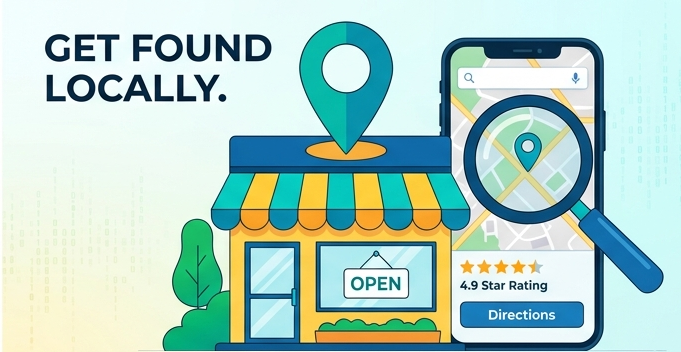
2. Focus on Local SEO: If your business serves a particular city or area, local SEO can help customers discover you when searching for nearby products or services. Keep your business information accurate across online directories and create location-focused content. Customer reviews can also strengthen your online presence and credibility.
3. Use Social Media Strategically: You don’t need to be active on every social platform. Choose the channels where your target customers are most likely to spend time. Share a combination of:
- Helpful tips and educational content
- Product demonstrations
- Customer testimonials
- Behind-the-scenes content
- Special offers and promotions
Consistency is more important than simply posting frequently.

4. Create Valuable Content: Content marketing helps small businesses demonstrate expertise and attract organic traffic. Publish useful blog posts, guides, FAQs, videos, infographics, or short-form content that answers common customer questions. Instead of focusing only on selling, create content that genuinely helps your audience.
5. Use Email Marketing: Email marketing remains a practical way to nurture leads and maintain relationships with existing customers. Build a permission-based email list and send useful newsletters, product updates, personalized offers, and helpful information. Avoid sending excessive promotional messages.
6. Try Paid Advertising Carefully: Google Ads and social media advertising can help businesses reach specific audiences quickly. Start with a modest budget, test different messages, and track conversions before increasing spending. Focus on return on investment (ROI) rather than simply measuring clicks or impressions.
7. Encourage Customer Reviews: Positive reviews can influence purchasing decisions and strengthen trust. After a successful purchase or service, politely encourage satisfied customers to share genuine feedback. Respond professionally to both positive and negative reviews.
8. Measure Your Digital Marketing Results: Use analytics tools to monitor website traffic, leads, conversions, engagement, and sales. Regularly identify which campaigns and content generate meaningful results and adjust your strategy accordingly.

Final Thoughts on Digital Marketing Strategies
Successful digital marketing doesn’t require a massive budget. Small businesses can achieve sustainable growth by combining SEO, local visibility, social media, content marketing, email campaigns, paid advertising, and performance tracking. Start with a few strategies that match your audience and business goals, measure the results, and gradually expand what works.