
Yoga vs Walking: When it comes to maintaining a healthy lifestyle, both yoga and walking are among the most effective and accessible forms of exercise. But if you’re wondering “Yoga vs Walking: Which is better for overall health?”, the answer depends on your fitness goals, lifestyle, and health condition. Let’s compare the two to help you make the right choice.

Amazon Basics 13mm Extra Thick NBR Yoga and Exercise Mat with Carrying Strap, Blue
Table of Contents
Benefits of Yoga
Yoga is a holistic practice that combines physical postures, breathing exercises, and meditation. It improves both mental and physical well-being. Key Benefits of Yoga:
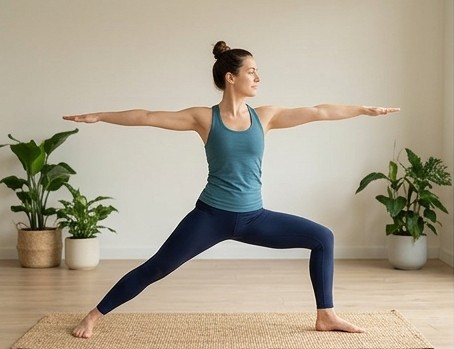
- Enhances flexibility, balance, and posture.
- Reduces stress, anxiety, and depression.
- Strengthens muscles and joints.
- Improves breathing and lung capacity.
- Promotes better sleep and mental clarity.
- Supports heart health by lowering blood pressure.
Yoga is ideal for people looking to improve mindfulness, reduce stress, and build long-term flexibility.
Benefits of Walking
Walking is a simple cardiovascular exercise suitable for almost everyone. It requires no special equipment and can be done anywhere. Key Benefits of Walking:
- Burns calories and supports weight loss.
- Strengthens the heart and improves circulation.
- Lowers the risk of diabetes and high blood pressure.
- Boosts endurance and stamina.
- Improves bone strength and joint mobility.
- Enhances mood by releasing endorphins.
A brisk 30-minute walk daily can significantly improve cardiovascular fitness and overall health.

Yoga vs Walking: A Quick Comparison
| Feature | Yoga | Walking |
| Weight Loss | Moderate | High (Brisk Walking) |
| Stress Relief | Excellent | Good |
| Flexibility | Excellent | Limited |
| Heart Health | Good | Excellent |
| Muscle Strength | Good | Moderate |
| Mental Wellness | Excellent | Very Good |

Which One Yoga vs Walking Should You Choose?
If your goal is weight management and heart health, walking offers greater cardiovascular benefits. If you’re looking to improve flexibility, mental peace, and body balance, yoga is the better choice.
For the best results, combine both activities. Practice 20–30 minutes of yoga in the morning for flexibility and stress relief, followed by a 30-minute brisk walk later in the day to improve endurance and burn calories.

Final Thoughts
The debate between Yoga vs Walking doesn’t have a single winner because both offer unique health advantages. Incorporating both into your daily routine provides a balanced approach to physical fitness, mental wellness, and disease prevention. Consistency is more important than choosing one over the other. Start with the activity you enjoy most and gradually build a routine that supports your long-term health goals.