
Vegan vs Vegetarian Lifestyle: In today’s world of conscious living, more people are shifting towards plant-based diets. Two popular choices are vegan and vegetarian lifestyles. While both focus on reducing or eliminating animal products, the two approaches have distinct differences, benefits, and challenges. Let’s explore them in detail to help you decide which suits your lifestyle better.
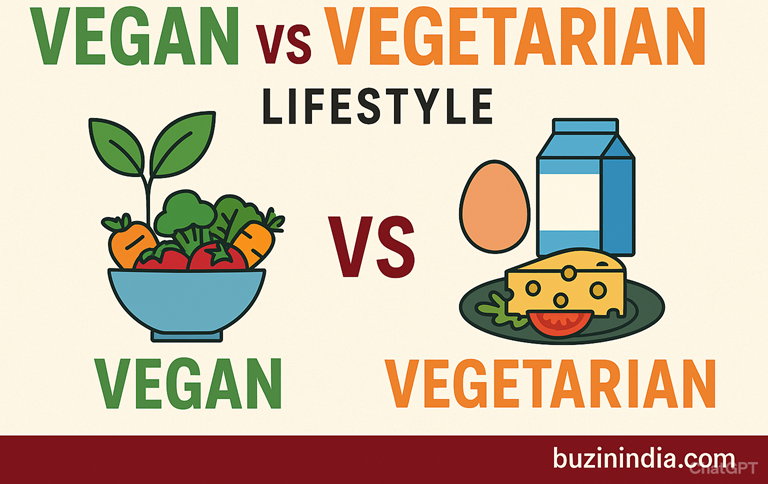
Table of Contents
🌱 What is a Vegetarian Lifestyle?
A vegetarian diet excludes meat, poultry, and fish but includes dairy products, eggs, fruits, vegetables, grains, nuts, and legumes. There are several types of vegetarians:
- Lacto-vegetarians: Include dairy but not eggs.
- Ovo-vegetarians: Include eggs but not dairy.
- Lacto-ovo vegetarians: Include both eggs and dairy.
Benefits of a Vegetarian Lifestyle:
- Balanced source of protein through dairy and eggs.
- Easier to follow in Indian households where milk and ghee are common.
- Lower risk of heart disease, obesity, and diabetes.
Challenges:
- Risk of overconsumption of dairy products.
- May still contribute to animal exploitation (through dairy and eggs).
🌿 What is a Vegan Lifestyle?
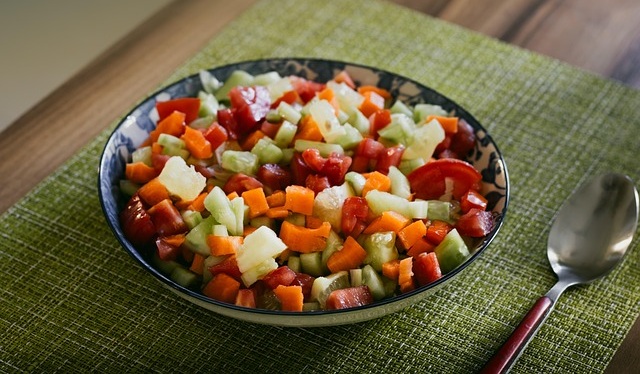
A vegan diet eliminates all animal-derived products, including meat, fish, dairy, eggs, and even honey. Vegans rely on plant-based foods such as vegetables, fruits, legumes, grains, nuts, seeds, and plant-based alternatives.
Benefits of a Vegan Lifestyle:
- Promotes cruelty-free living with zero animal exploitation.
- Lower cholesterol and saturated fat intake.
- Environmental benefits due to reduced carbon footprint.
- May aid in weight management and better digestion.
Challenges:
- Requires careful planning to meet protein, vitamin B12, iron, and calcium needs.
- Fewer convenient options when dining out, especially in traditional cuisines.
⚖️ Vegan vs Vegetarian Lifestyle: Key Differences
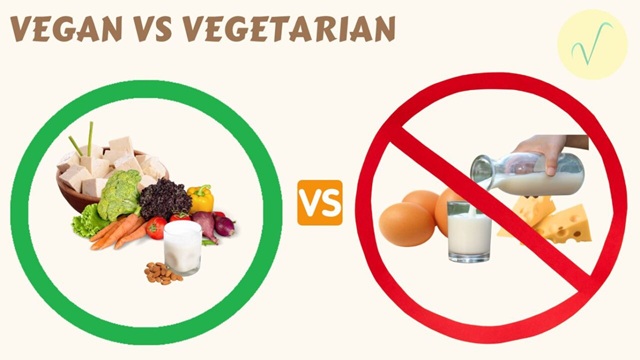
- Animal products: Vegetarians may consume dairy/eggs, while vegans avoid them completely.
- Health focus: Both promote wellness, but veganism tends to be stricter and often associated with ethical and environmental concerns.
- Adaptability: Vegetarian diets are easier to integrate in Indian culture; veganism requires substitutions for staples like milk and ghee.
✅ Which Lifestyle Should You Choose?
The choice depends on your health goals, ethics, and convenience. If you want a flexible, nutrient-rich diet that is easier to manage, vegetarianism may suit you. If your focus is on ethical living, sustainability, and long-term health, a vegan lifestyle could be the right path.
🌟 Final Thoughts on Vegan vs Vegetarian Lifestyle
Both vegan and vegetarian lifestyles encourage mindful eating and contribute to better health and a sustainable planet. Whether you choose to be vegan or vegetarian, the key is to maintain a balanced diet rich in whole foods to ensure proper nutrition.
**mind vault**
mind vault is a premium cognitive support formula created for adults 45+. It’s thoughtfully designed to help maintain clear thinking
**breathe**
breathe is a plant-powered tincture crafted to promote lung performance and enhance your breathing quality.