
Inventory Management Tips is essential for small businesses that want to control costs, avoid stockouts, and improve profitability. Whether you run an e-commerce store, retail shop, or growing startup, managing inventory efficiently can save money and improve customer satisfaction.

Table of Contents
What Is Inventory Management?
Inventory management is the process of ordering, storing, tracking, and selling products efficiently. The goal is to maintain the right amount of stock at the right time without investing too much money in unsold products.
10 Powerful Inventory Management Tips
1. Track Inventory Regularly: Keep an accurate record of every product, including purchases, sales, returns, damaged items, and available stock. Even a simple Excel spreadsheet can help when your inventory is small. As your business grows, consider using inventory management software.
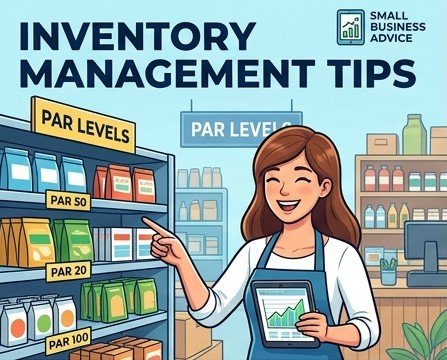
2. Set Minimum Stock Levels: Establish a reorder level for each product. When inventory reaches this level, place a new order. This helps prevent stockouts while avoiding unnecessary overstocking.
3. Identify Your Best-Selling Products: Analyze sales data to identify fast-moving, slow-moving, and non-moving products. Keep higher safety stock for popular products and avoid purchasing excessive quantities of items with low demand.
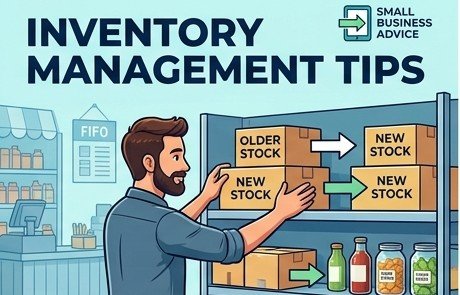
4. Use the FIFO Method: The First-In, First-Out (FIFO) method means selling older inventory before newer stock. This is particularly useful for food, cosmetics, medicines, and other products with expiration dates.
5. Conduct Regular Stock Audits: Physical stock counts help identify discrepancies between your records and actual inventory. Conduct monthly or quarterly stock audits to detect theft, damage, incorrect entries, or other inventory issues.
6. Avoid Overstocking: Excess inventory ties up valuable working capital and increases storage costs. Use previous sales trends, seasonal demand, and market conditions to estimate how much stock you actually need.
7. Build Reliable Supplier Relationships: Reliable suppliers can help you maintain consistent product availability and better purchasing terms. Negotiate pricing, delivery times, minimum order quantities, and payment terms whenever possible.
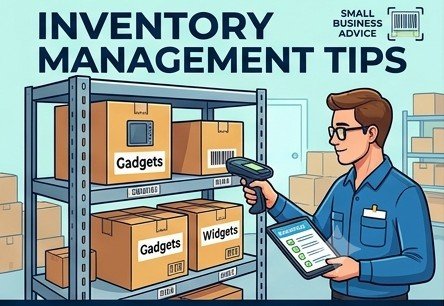
8. Use Technology to Automate Tracking: Inventory software can provide real-time stock visibility, automated reorder alerts, barcode scanning, and sales reports. Automation reduces manual errors and saves valuable time.
9. Monitor Inventory Turnover: Inventory turnover shows how quickly your business sells and replaces its stock. A healthy turnover rate generally indicates efficient inventory management, while very low turnover may indicate excess or slow-moving stock.
10. Create an Inventory Management Policy: Document clear procedures for purchasing, receiving, storing, counting, and selling inventory. A simple system ensures consistency as your business grows and employees take responsibility for different inventory tasks.

Conclusion
Smart Inventory Management Tips for small businesses is about balancing availability with cost. By tracking stock accurately, setting reorder levels, analyzing sales, reducing excess inventory, and using technology, small businesses can improve cash flow, reduce waste, and increase profits. Start with simple inventory controls today and gradually upgrade your system as your business grows.