
Speech and language development is one of the most fascinating aspects of a child’s early growth. From a baby’s first coo to forming complete sentences, communication skills evolve rapidly during the first few years of life. Understanding these milestones helps parents support their child’s learning and identify delays early.
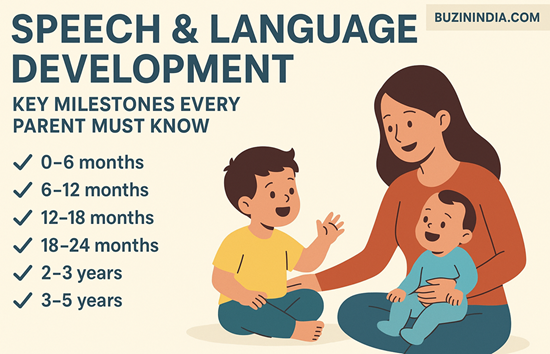
Table of Contents
🗣️ What is Speech and Language Development?
- Speech refers to the sounds, articulation, and clarity of words.
- Language is the ability to understand and use words to communicate.
Both skills develop together, forming the foundation for social interaction, learning, and emotional expression.
📌 Key Milestones Speech and Language Development
- 0–6 months: Babies respond to voices, make cooing sounds, and start to laugh.
- 6–12 months: Babbling begins; children may say simple sounds like ma-ma or da-da.
- 12–18 months: Vocabulary expands to 5–20 words. They can point to objects and understand simple instructions.
- 18–24 months: Word combinations appear (“more milk”), and vocabulary grows rapidly.
- 2–3 years: Children form short sentences, ask questions, and follow 2–step directions.
- 3–5 years: Grammar improves, storytelling begins, and speech becomes clearer to strangers.
🌟 How Parents Can Support Speech and Language Development
- Talk Frequently – Narrate daily activities, describe objects, and name feelings.
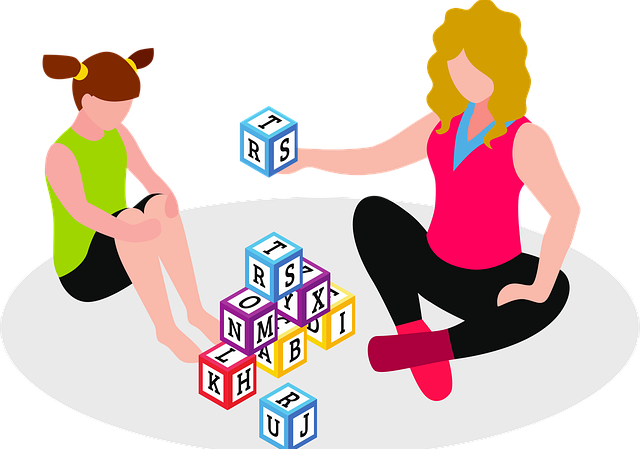
- Read Together – Storytelling and picture books encourage vocabulary expansion.
- Listen and Respond – Show interest in your child’s attempts to communicate.
- Limit Screen Time – Face-to-face conversations are more effective than passive listening.
- Play-Based Learning – Songs, rhymes, and role-play games boost language skills.
🚩 When to Seek Professional Help
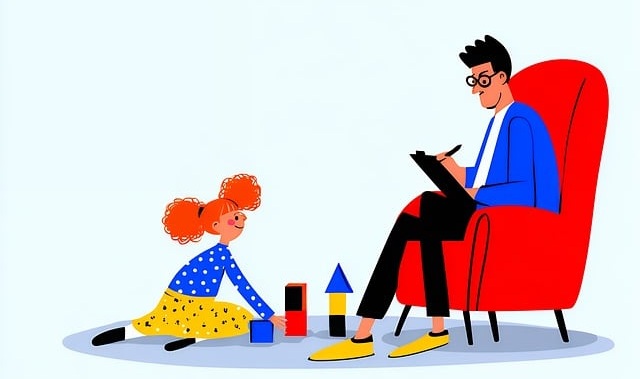
Parents should consult a pediatrician or speech therapist if:
- By 12 months, the child doesn’t babble or respond to sounds.
- By 2 years, they use fewer than 50 words or struggle with simple directions.
- By 3 years, their speech is difficult to understand.
Early intervention can significantly improve communication outcomes.
✅ Final Thoughts
Speech and language development is a natural process, but it benefits greatly from an engaging and interactive environment. Parents, caregivers, and teachers play a vital role in shaping these skills. By recognizing milestones and offering support, you can help your child grow into a confident communicator.
Learn practical tips, stages, and expert advice to support your child’s communication journey.
auto glass technician 29303
29301 windshield repair