
Personal Budgeting: Managing money doesn’t have to be complicated. Personal budgeting is the foundation of financial stability, especially for beginners who want to control expenses, reduce stress, and achieve future goals. This guide will help you understand budgeting in a simple and practical way.
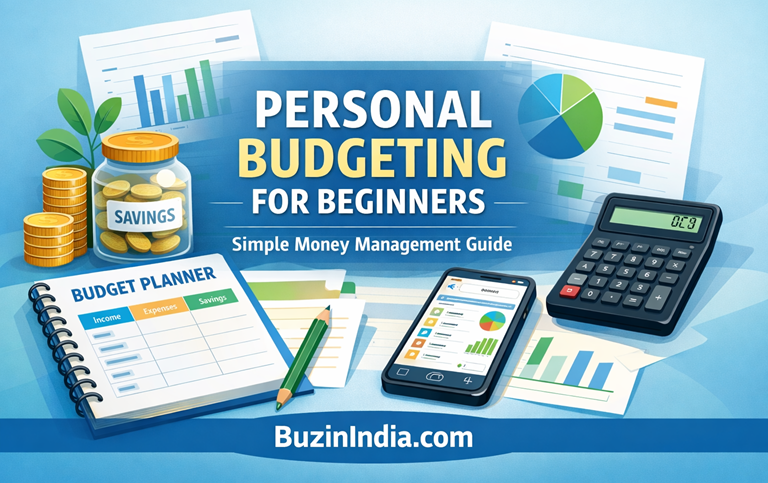
Table of Contents
What Is Personal Budgeting? 🤔
Personal budgeting is the process of planning how you earn, spend, save, and invest money over a specific period. A budget acts like a financial roadmap that helps you avoid overspending and build long-term security.
Why Is Personal Budgeting Important for Beginners? ✅
- Helps track income and expenses clearly
- Prevents unnecessary debt
- Encourages regular saving habits
- Prepares you for emergencies
- Supports short-term and long-term financial goals

Step-by-Step Guide to Personal Budgeting 📊
1. Calculate Your Total Income: List all sources of income such as salary, freelancing, side hustles, or allowances. Always calculate your monthly net income.
2. Track Your Expenses: Divide expenses into:
- Fixed expenses: Rent, EMIs, electricity, internet
- Variable expenses: Food, travel, shopping, entertainment
Tracking expenses helps identify spending patterns and areas to cut costs.
3. Follow the 50-30-20 Rule: This beginner-friendly rule divides income as:
- 50% Needs – essentials
- 30% Wants – lifestyle expenses
- 20% Savings – emergency fund and investments

4. Set Realistic Financial Goals: Define clear goals such as:
- Saving for emergencies
- Paying off debt
- Buying a house or vehicle
- Planning vacations
Clear goals make budgeting more purposeful.
5. Create an Emergency Fund: Save at least 3–6 months of living expenses. This protects you during job loss, medical emergencies, or unexpected expenses.
6. Review and Adjust Monthly: Your budget isn’t fixed forever. Review it monthly and adjust based on income changes or new goals.
Common Budgeting Mistakes to Avoid ❌
- Ignoring small daily expenses
- Not saving regularly
- Being too strict or unrealistic
- Forgetting to review the budget
Final Thoughts 💡
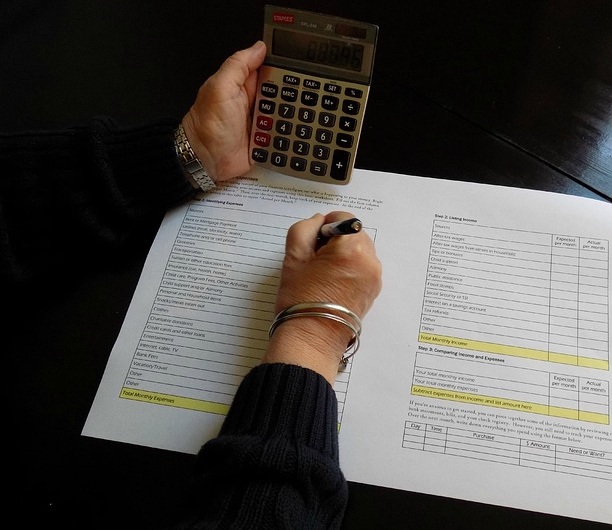
Personal budgeting is not about limiting your life—it’s about gaining control and financial freedom. Starting early, staying consistent, and making small improvements can lead to long-term success.
Even saving small amounts regularly can create a big impact over time.