

Improve Your Credit Score: A good credit score plays a crucial role in your financial life. It helps you get loans, credit cards, and better interest rates. Whether you are planning to buy a home, a car, or simply want better financial opportunities, improving your credit score should be a priority. Here are some effective ways to boost your credit score quickly.

Involve Your Senses One Musk Organic Car Perfume, Involve Your Senses Strong Fiber Air Freshener
Table of Contents
8 Proven Strategies to Improve Your Credit Score
1. Pay Your Bills on Time: Payment history is one of the most important factors affecting your credit score. Late payments can significantly lower your score. Set reminders or enable automatic payments to ensure that credit card bills, loan EMIs, and utility bills are paid on time.

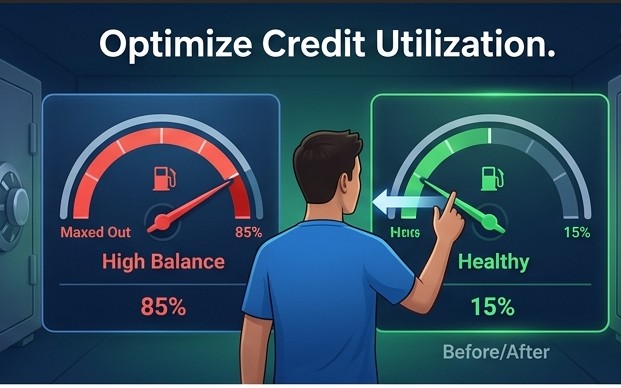
2. Reduce Credit Card Balances: Your credit utilization ratio refers to how much credit you use compared to your total credit limit. Experts recommend keeping this ratio below 30%. Paying down outstanding balances can quickly improve your credit score and demonstrate responsible credit management.
3. Check Your Credit Report for Errors: Mistakes in your credit report can negatively impact your score. Review your report regularly and look for incorrect personal information, duplicate accounts, or unauthorized transactions. If you find any errors, report them immediately to the credit bureau for correction.
4. Avoid Applying for Multiple Loans: Every time you apply for a new loan or credit card, a hard inquiry is recorded on your credit report. Too many inquiries within a short period can reduce your score. Apply for new credit only when necessary.

5. Keep Old Credit Accounts Open: The length of your credit history also affects your score. Older accounts show a longer track record of responsible credit use. Avoid closing old credit cards unless absolutely necessary.
6. Clear Outstanding Debts: If you have overdue loans or unpaid credit card bills, prioritize clearing them as soon as possible. Settling outstanding debts can improve your creditworthiness and positively impact your score.
7. Maintain a Healthy Credit Mix: Having a mix of secured and unsecured credit, such as home loans, personal loans, and credit cards, can help improve your credit profile. However, avoid taking unnecessary loans solely for this purpose.
8. Become an Authorized User: If a family member has a strong credit history, being added as an authorized user on their credit card may help improve your credit profile, depending on the lender’s reporting practices.

Improve Your Credit Score as per The Score Ranges
Most models (like FICO® and VantageScore®) categorize scores into tiers:
- 800–850 (Exceptional/Excellent): You qualify for the absolute best interest rates and loan terms.
- 740–799 (Very Good): You are a low-risk borrower and will easily qualify for competitive rates.
- 670–739 (Good): This is the national average range. Lenders see you as acceptable, though you might not get the rock-bottom rates.
- 580–669 (Fair): You may face higher interest rates, and some lenders might approve you with stricter conditions.
- 300–579 (Poor): You may struggle to get approved for traditional credit cards or loans, or you may need to provide a security deposit.
Conclusion
Improving your credit score quickly requires discipline and smart financial habits. Paying bills on time, reducing debt, monitoring your credit report, and managing credit responsibly can lead to noticeable improvements over time. A higher credit score not only increases your chances of loan approval but also helps you secure better interest rates and financial benefits in the future.