
Mental Health for Gen Z has become one of the most important conversations of our time, especially for Gen Z—the generation born roughly between 1997 and 2012. Growing up in a fast-paced digital world, Gen Z faces unique mental health challenges that need awareness, understanding, and support.
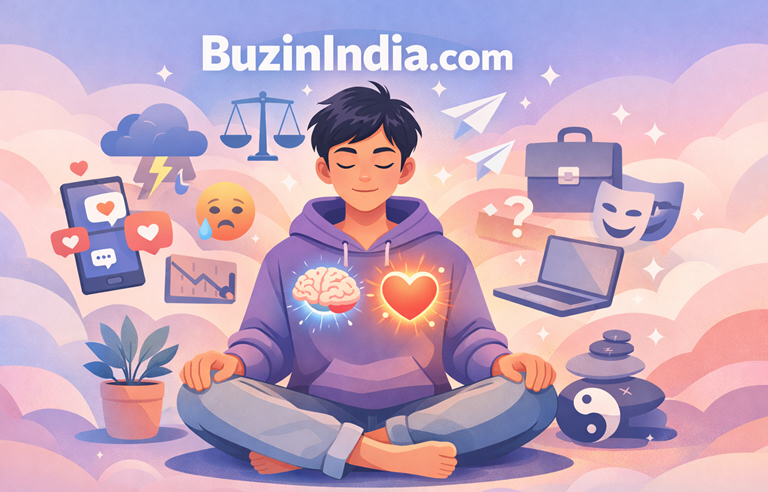
Table of Contents
Why Mental Health for Gen Z Is Different
Unlike previous generations, Gen Z has grown up with social media, constant connectivity, and global uncertainty. While technology has created opportunities, it has also increased pressure and comparison. Common mental health challenges faced by Gen Z include:
- Anxiety and overthinking
- Depression and emotional burnout
- Social media pressure and low self-esteem
- Fear of failure and career uncertainty
- Loneliness despite being digitally connected

The Impact of Social Media
Social media plays a dual role in Gen Z mental health. On one hand, it helps in self-expression and community building. On the other, it can trigger comparison, cyberbullying, and unrealistic expectations. Constant exposure to curated lifestyles can make young minds feel “not good enough,” leading to stress and self-doubt. Taking mindful breaks from social media is essential for emotional balance.
Importance of Mental Health for Gen Z
One positive change is that Gen Z is more open about mental health than any previous generation. Talking about feelings, seeking therapy, and normalizing mental health care is no longer seen as a weakness—it’s a strength. Open conversations help in:
- Reducing stigma
- Encouraging early intervention
- Building emotional resilience
- Creating supportive environments

Simple Tips for Mental Health for Gen Z
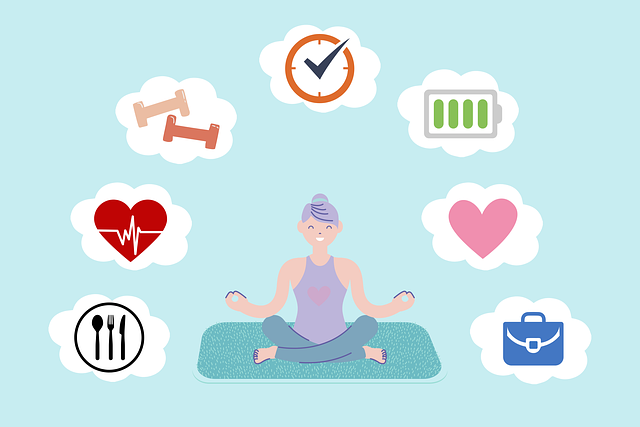
Maintaining mental well-being doesn’t always require big changes. Small, consistent habits can make a powerful difference:
- Practice daily mindfulness or meditation
- Limit screen time and digital overload
- Prioritize sleep and physical activity
- Express emotions through journaling or art
- Seek professional help without hesitation
How Society Can Support Gen Z
Schools, families, and workplaces play a vital role in supporting Gen Z mental health. Emotional education, flexible environments, and access to mental health resources can create long-term positive impact.
Final Thoughts
Mental health for Gen Z is not just a trend—it’s a necessity. By promoting awareness, empathy, and open dialogue, we can help Gen Z build a healthier, more balanced future. Investing in mental well-being today ensures a stronger generation tomorrow.